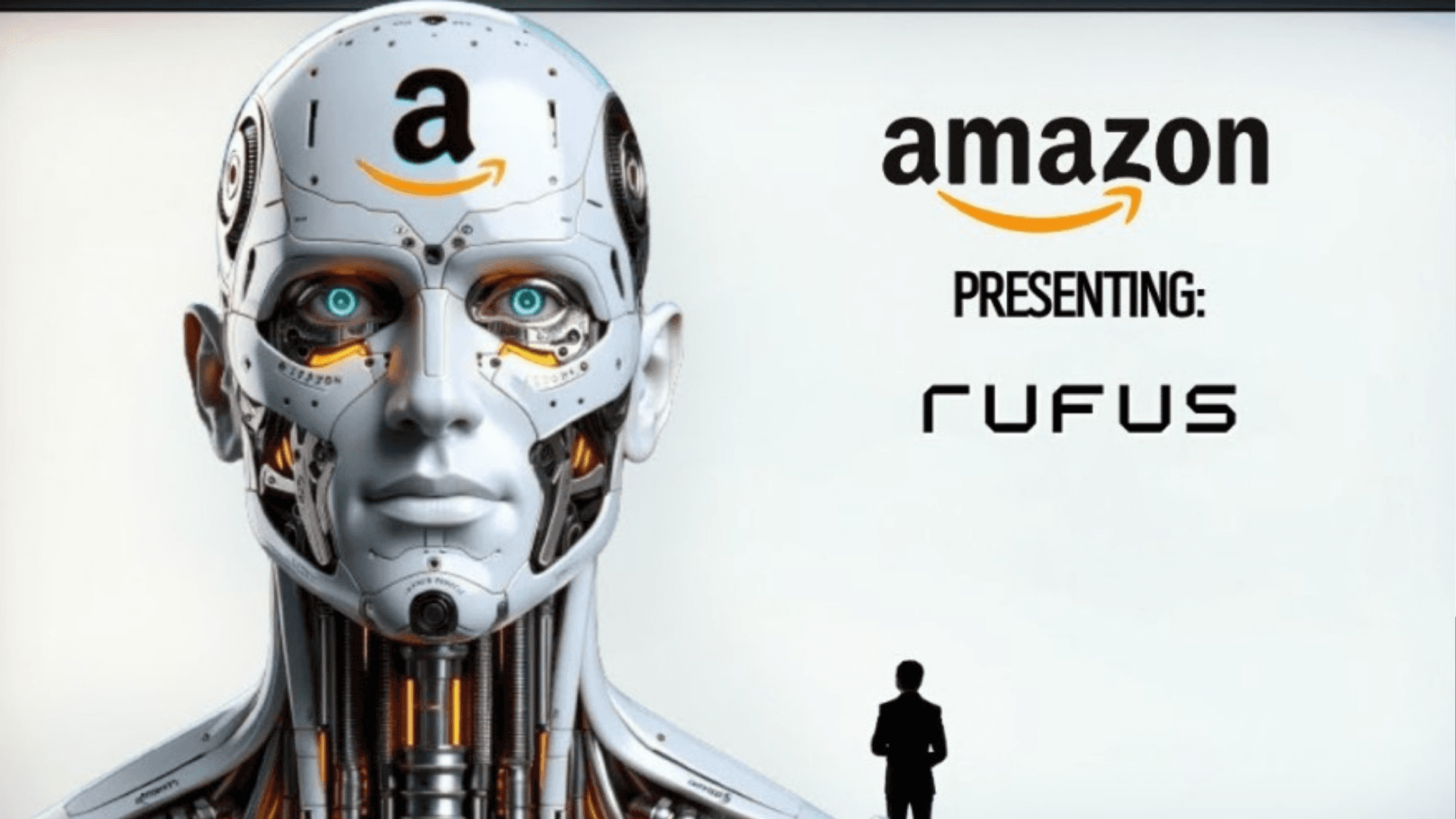
Eighteen months after launch, Amazon's AI shopping assistant Rufus has been used by 250 million customers. It contributes an estimated $10 billion in annualized incremental sales. Shoppers who engage with Rufus convert at 60% higher rates than those who don't.
The technology isn't what makes this interesting. The behavioral shift is.
From Search to Conversation
Traditional e-commerce is built on search. Customer knows what they want, types keywords, filters results, compares options, makes a decision. The retailer's job is to index products and present relevant results.
Rufus inverts this. Instead of 'running shoes' returning 10,000 options, customers ask 'What's a good shoe for someone training for their first marathon?' The response isn't a list. It's guidance. Three options with explanations of why each might work for different training approaches.
That's not search. That's consultation.
The Decision Simplification Layer
Amazon launched a feature called Help Me Decide specifically targeting the moment shoppers abandon: choice paralysis. When faced with too many options that all seem similar, customers often leave without buying anything.
Help Me Decide intervenes at that moment. It asks clarifying questions. It surfaces meaningful differences. It makes the decision manageable.
During Black Friday 2025, 38% of all shopping sessions involved Rufus. Monthly active users jumped 149% year-over-year. Customer interactions increased 210%.
Those numbers tell you something: when given the option between navigating alone and having help, most people want help.
The Compounding Advantage
Here's what competitors should find concerning: every Rufus interaction generates signal.
What questions do people actually ask? What answers lead to purchases? What objections need addressing? What information is missing from product pages? Where do people get stuck?
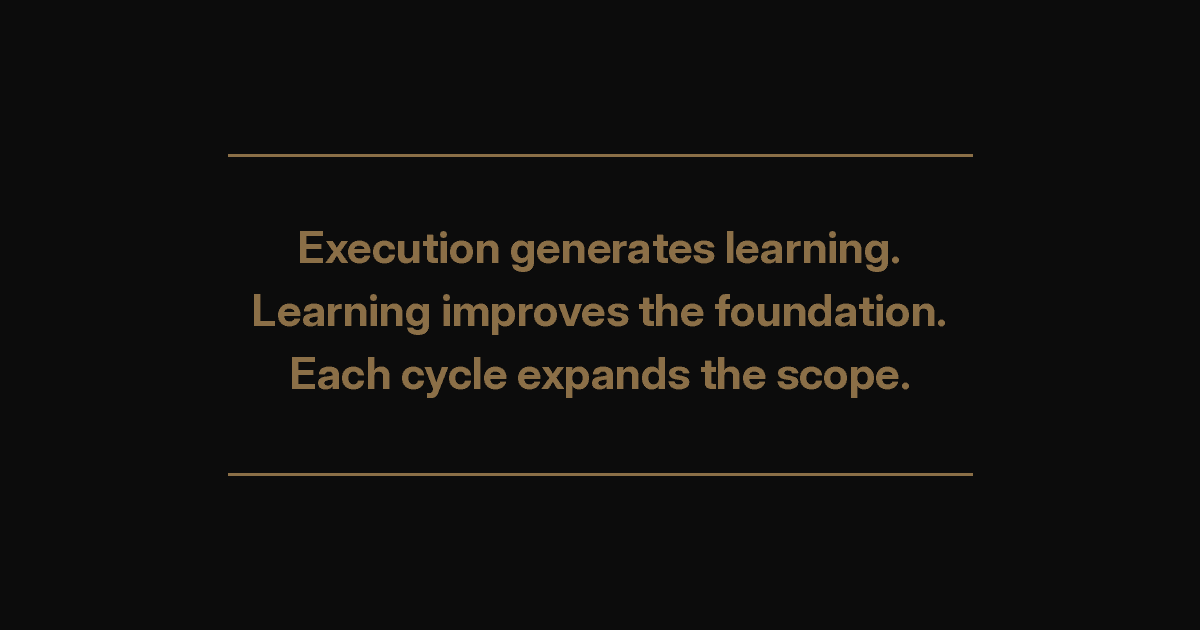
That data trains the next version. Which generates more data. Which trains the next version. The improvement compounds.
A retailer starting their AI assistant today isn't competing with the Rufus that launched in 2024. They're competing with the Rufus that's been learning from 250 million customers for 18 months.
The Customer Receives the Benefit
None of the AI sophistication matters if the customer experience doesn't improve. But it does.
Finding the right product is faster. Decision confidence is higher. Returns should decrease because purchases are more considered. The friction between 'I need something' and 'I found it' compresses.
The AI stays invisible. The customer just finds things more easily.
The Pattern for Every Retailer
Not every retailer has Amazon's scale or data. But every retailer has customers facing choices.
The question isn't whether you can build Rufus. The question is: are you helping customers navigate decisions, or just presenting options and hoping they figure it out?
Amazon chose to help. The $10 billion in incremental sales suggests customers appreciate it.