I talked to a Head of Strategy last month. She showed me her list.
Twelve initiatives she knows would move the business. She's working on two.
The other ten sit in a backlog because every one requires weeks of research her team can't spare.
She's not unusual. She's typical.
12 INITIATIVES
She's working on two. The other ten sit in a backlog.
THE CONSTRAINT
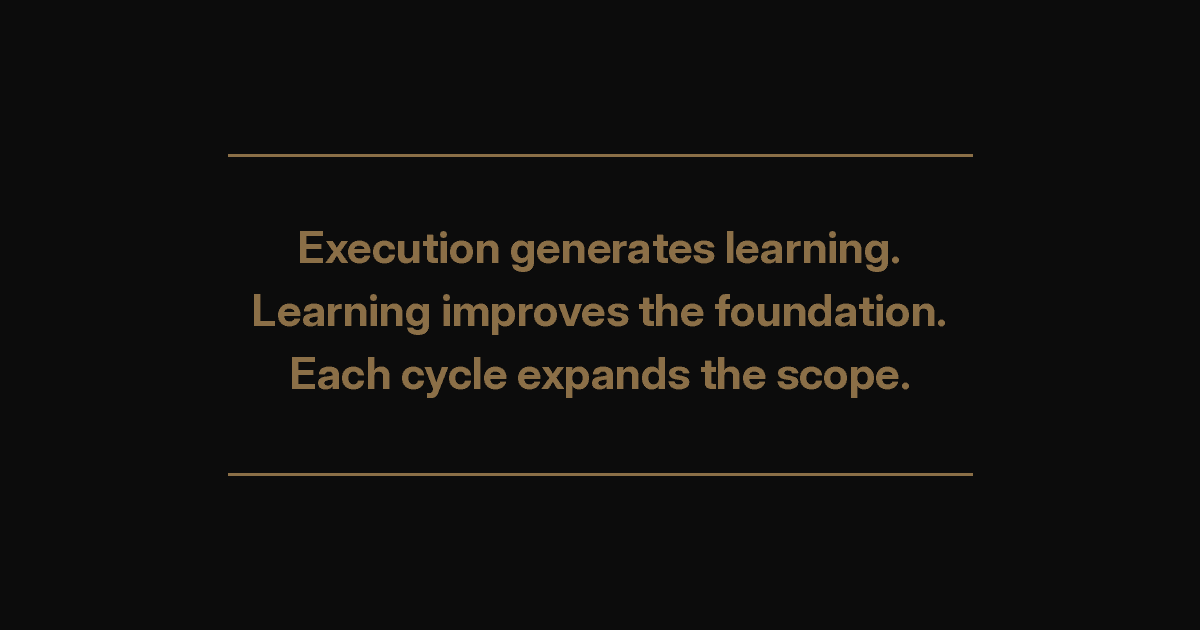
The backlog isn't a prioritization problem. It's a physics problem.
Two weeks ago I told you only 6% of companies are seeing AI hit the bottom line. Last week I showed you why timing kills most innovation pipelines.
This week: the bandwidth problem.
The constraint isn't ideas. It's not budget. It's not even talent. It's the manual work that buries your best people before they can think.
13 minutes vs 70 hours
That's the difference. A Japanese automaker asked: "What if research took 13 minutes instead of 70 hours?"
They used FifthRow to run the research on ventures they'd been putting off. They hit their full venture target in Q1.
Not because they worked harder. Because they stopped having humans do work that should be automated.
The backlog isn't a prioritization problem. It's a physics problem.
THE REAL QUESTION
The question is: what work should humans do, and what work should be automated?
Human work: Judgment. Relationships. Creativity. Strategy. Decisions.
Automated work: Research. Monitoring. Synthesis. Formatting. Reporting.
Most companies have brilliant strategists doing automated work. That's the tax. That's the backlog. That's why 10 of 12 initiatives never happen.
THE BANDWIDTH CHECK
How many strategic initiatives are stuck waiting for research?
What percentage of your team's time goes to gathering vs. thinking?
When did you last explore an opportunity without a 6-week research cycle?
How many market questions go unanswered because "we don't have bandwidth?
The backlog is a symptom. The physics of manual work is what's actually broken.
WHAT TO DO THIS WEEK
Pull up your strategic backlog. The initiatives you've been meaning to explore.
Pick one. Ask: "What research would we need before we could make a decision?"
Then ask: "How long would that research take with our current approach?"
If the answer is measured in weeks or months, you're paying a tax that compounds against you every quarter.
FROM THE PORTFOLIO
FifthRow automates the work that comes before strategy. 150+ apps that encode consulting playbooks into autonomous workflows. Market research in 13 minutes. Competitive intelligence on demand. This is how companies clear the backlog without adding headcount.
At HauerX Holdings, we're on a mission to make AI-native growth the standard for every enterprise.
If any of this resonated, or you have ideas for partnering, I'd love to hear from you.
Talk Tuesday,
Jason Hauer
CEO, HauerX Holdings
jason@hauerX.com
Jason Hauer is the founder and CEO of HauerX Holdings, where he backs and builds a portfolio of AI-native companies that accelerate how businesses grow, operate, and compete. From mid-market to Fortune 500.
Frequently Asked Questions
Why is the strategic backlog a physics problem, not a prioritization problem?
Most enterprise teams carry 10 to 50 initiatives they know would move the business but can't get to because every one requires weeks of research their team can't spare. The bottleneck isn't ideas, budget, or talent. It's the manual research and synthesis that buries your best people before they can think. That's a physics problem: a capacity ceiling. The fix is changing the capacity, not the prioritization.
What's the difference between work humans should do and work AI should do?
Human work is judgment, relationships, creativity, strategy, decisions. Automated work is research, monitoring, synthesis, formatting, reporting. Most companies have brilliant strategists doing automated work. That's the tax. That's the backlog. That's why 10 of 12 initiatives never happen. The question isn't "where can we add AI?" It's "what work should humans do, and what work should be automated?"
How does agentic AI clear a strategic backlog?
Agentic AI workflows compress what used to take weeks of consulting-grade research, market analysis, and strategic synthesis into minutes. A Japanese automaker used FifthRow to run research on ventures they'd been putting off and hit their full venture target in Q1. Not because they worked harder. Because they stopped having humans do work that should be automated. 13 minutes versus 70 hours is the new unit economics.
How do you tell how big your real strategic backlog is?
Pull up the initiatives you've been meaning to explore. Pick one. Ask: "What research would we need before we could make a decision?" Then ask: "How long would that research take with our current approach?" If the answer is weeks or months per initiative, you have a research-capacity ceiling. Multiply that across the backlog and you have a structural exposure that compounds against you every quarter.
What does FifthRow replace in an enterprise's research function?
Most enterprise strategy work isn't strategy. It's research disguised as strategy: gathering data, synthesizing competitive analysis, building business cases. FifthRow's 150+ apps encode consulting playbooks into autonomous workflows that deliver in 13 minutes what used to take 13 weeks. Strategists go back to doing actual strategy work instead of staffing research projects. The backlog stops growing.