by

Jason Hauer

The Most Advanced AI in Luxury Is the One You'll Never Notice

Inside LVMH, 40,000 people work alongside AI every day. The genius is that it stays invisible, because for luxury, invisible is the whole point.

Serial Growth Lab

Thought Leadership

LVMH

Inside LVMH, 40,000 people work alongside AI every day. The genius is that it stays invisible, because for luxury, invisible is the whole point.

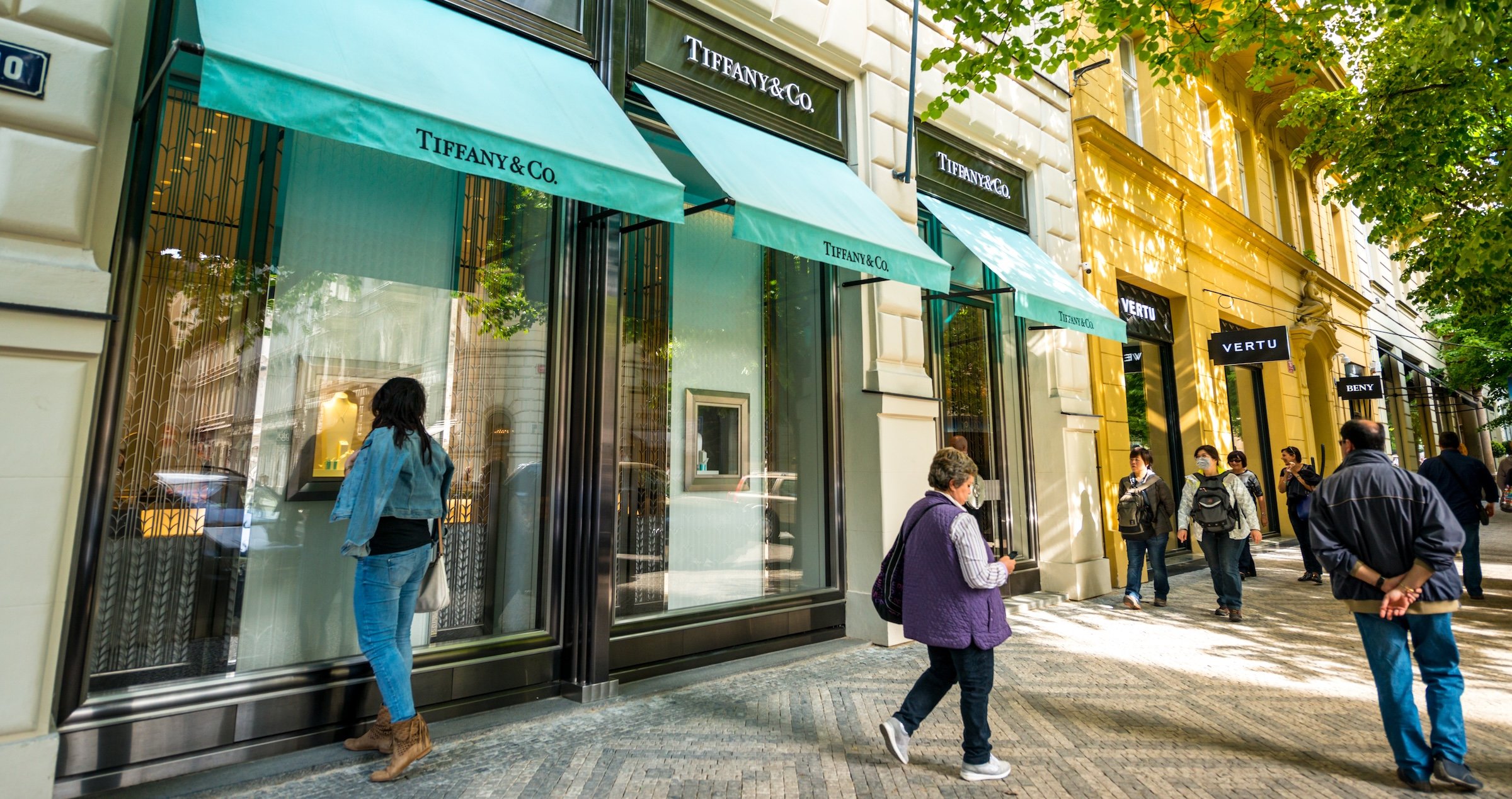
You walk into Tiffany to look at a gift. The advisor who greets you has a feel for what you like, what you bought last time, and a piece you haven't seen that's right up your alley. It feels like instinct, like you found the rare salesperson who simply gets you.

A minute earlier, a chat tool told them most of it. Your taste, your history, the right product, even the store's own procedures and the new season's details, all on demand. The advisor read it, set the screen down, and walked over as themselves.

That tool is one window into MaIA, the AI LVMH runs across the whole house. More than 40,000 employees use it every day for over 2 million requests a month, across HR, finance, legal, and the sales floor. It serves every maison, Louis Vuitton, Dior, Sephora, Tiffany, while each keeps its own identity. Internal work got about 40% faster.

The reason it works is that it fits LVMH. Luxury runs on the human touch and the feeling of being quietly known, so the company keeps its technology out of sight, behind the person at the counter where you'd never think to look. LVMH calls this quiet tech, the kind that works like fine tailoring, present but unseen. A rival can license the same models tomorrow and still not have what LVMH built, which is 40,000 people who are quietly better at their jobs because the tools were put behind them. That advantage stays invisible, and it compounds.

The customer never meets the machine. They meet a person who's ready for them.

By the numbers

40,000+. Employees using the AI every day across the company.

2M+. Requests a month, from HR and finance to the sales floor.

40%. Faster internal work since the rollout.

Every maison. Served by one platform, Louis Vuitton to Tiffany, each keeping its identity.

LVMH and press disclosures, 2025-2026 · shown again at VivaTech, June 2026

On brand looks different for every company

What's easy to miss is that invisible is the right answer for Tiffany, and it could be the wrong one for your brand. On brand looks different for every company. Sephora lives under the same parent and goes the other way, putting AI right in front of customers so they can play with it and find products, because discovery is what Sephora is about. At VivaTech this month it showed AI built straight into the shopping experience. Outside of luxury, Spotify hands you an AI DJ that knows your taste and talks to you in a real voice, because playful personalization is exactly what people come to Spotify for. The work for your business is figuring out which version fits what your brand stands for and the experience you want to create, and then making sure it actually delivers.

And even once you've found the approach that fits and it starts to work, you'll hit snags. That's the moment that matters. Starbucks gave its baristas an AI tool to count inventory so they could spend less time in the back and more time with customers, which fit the whole back-to-Starbucks idea. When it kept miscounting the milk and slowing the line, the company pulled it after nine months, and kept Green Dot Assist, the barista helper that pulls up a drink recipe or troubleshoots a machine on the spot and is now rolling out to thousands of stores. Being willing to change course when something stops working is part of getting it right.

What to do this week

This week, treat where AI shows up as a brand decision, because it is one. Whether you feature it or hide it signals what you value, the same way your packaging and your store design do. LVMH read its equity correctly and built the technology to serve from behind the curtain. Spotify read its own and put the AI on the mic. Run your roadmap through that lens, and at every point AI meets a customer, ask whether it advances the experience you've spent years earning or quietly cheapens it. The cheapening is easy to miss, because it tends to arrive disguised as efficiency. When a deployment doesn't deliver as intended, fix it or retire it, the way Starbucks did.

From the portfolio

If you've been wrestling with how AI fits your brand, that's exactly the right question to be asking. Knowing it should fit is the easy part. Figuring out what that looks like for your business is where most teams get stuck.

Board of Innovation is the AI transformation studio that rewires how enterprises create value. It's who companies bring in to build the products and business models that AI now makes possible.

If you'd like to connect with Board of Innovation, reply and I'll make the introduction.

LVMH made the technology disappear because that's what its brand is built on. Yours might call for something you can see and hear. Finding the version that's true to your brand is the work.

Does the way you're using AI feel like your brand, or like everyone else's?

Talk Tuesday,

Jason Hauer
Founder & CEO, HauerX Holdings
jason@hauerX.com

Jason Hauer is the founder and CEO of HauerX Holdings, where he backs and builds a portfolio of AI-native companies that accelerate how businesses grow, operate, and compete. From mid-market to Fortune 500.

Frequently Asked Questions

What is MaIA, LVMH's internal AI platform?

MaIA is the AI LVMH runs across the whole house. More than 40,000 employees use it every day for over 2 million requests a month, across HR, finance, legal, and the sales floor. It serves every maison, Louis Vuitton, Dior, Sephora, Tiffany, while each keeps its own identity. Internal work is about 40% faster since rollout.

Why does LVMH keep its AI invisible to customers?

Luxury runs on the human touch and the feeling of being quietly known. LVMH keeps its technology out of sight, behind the person at the counter where you'd never think to look. They call it quiet tech, the kind that works like fine tailoring, present but unseen. A rival can license the same models tomorrow and still not have what LVMH built.

Why does Sephora do the opposite of Tiffany?

Sephora lives under the same LVMH parent but puts AI right in front of customers so they can play with it and find products, because discovery is what Sephora is about. Different brand equity, different design decision. On brand looks different for every company.

What happened with Starbucks and its inventory AI?

Starbucks gave baristas an AI tool to count inventory so they could spend less time in the back. When it kept miscounting milk and slowing the line, the company pulled it after nine months and kept Green Dot Assist, the barista helper that pulls up drink recipes on the spot. Being willing to change course when something stops working is part of getting it right.

How should a brand decide where to place AI in its customer experience?

Treat where AI shows up as a brand decision, because it is one. Whether you feature it or hide it signals what you value, the same way your packaging and store design do. At every point AI meets a customer, ask whether it advances the experience you've spent years earning or quietly cheapens it. The cheapening is easy to miss, because it tends to arrive disguised as efficiency.