
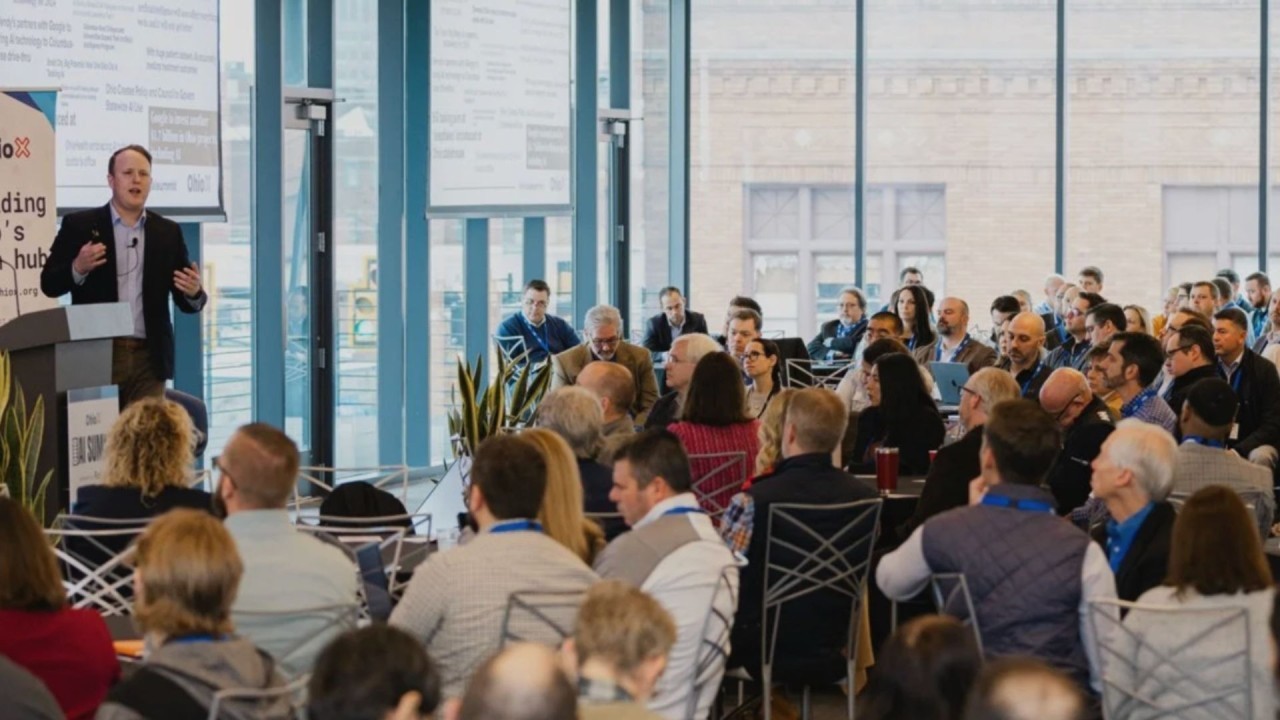
Yesterday I spent the day at the 2025 Ohio AI Summit surrounded by 600+ leaders from government, enterprise, and tech companies all wrestling with the same question: How do we move from AI theater to actual results?
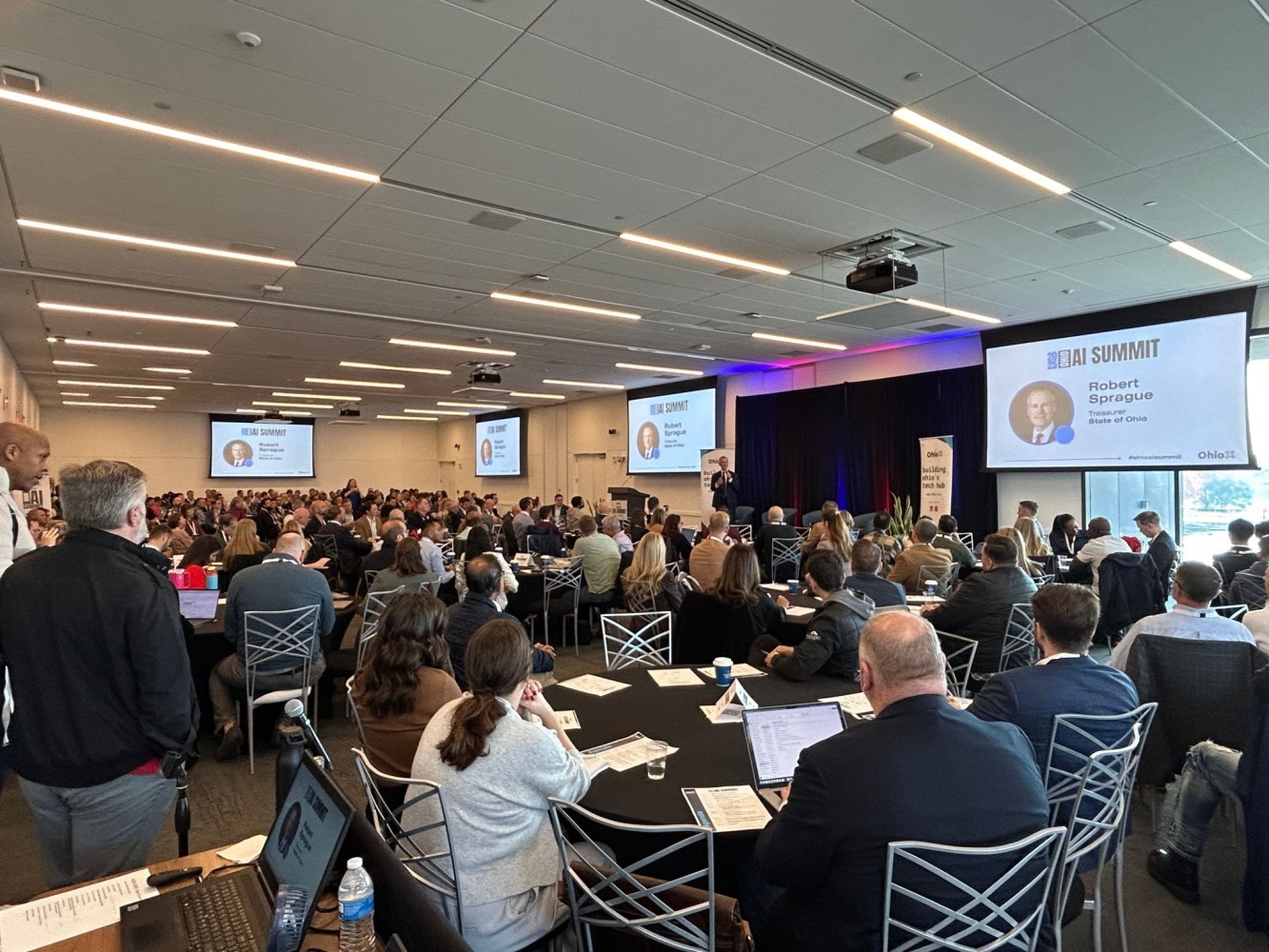
The answer was clear. Ohio isn't just talking about AI-it's building the infrastructure, deploying the systems, and measuring the outcomes.
Here's what I learned.
The Trust Gap is Real-And It's the Opportunity
Cal Al-Dhubaib from Further opened with an experiment I can't stop thinking about.
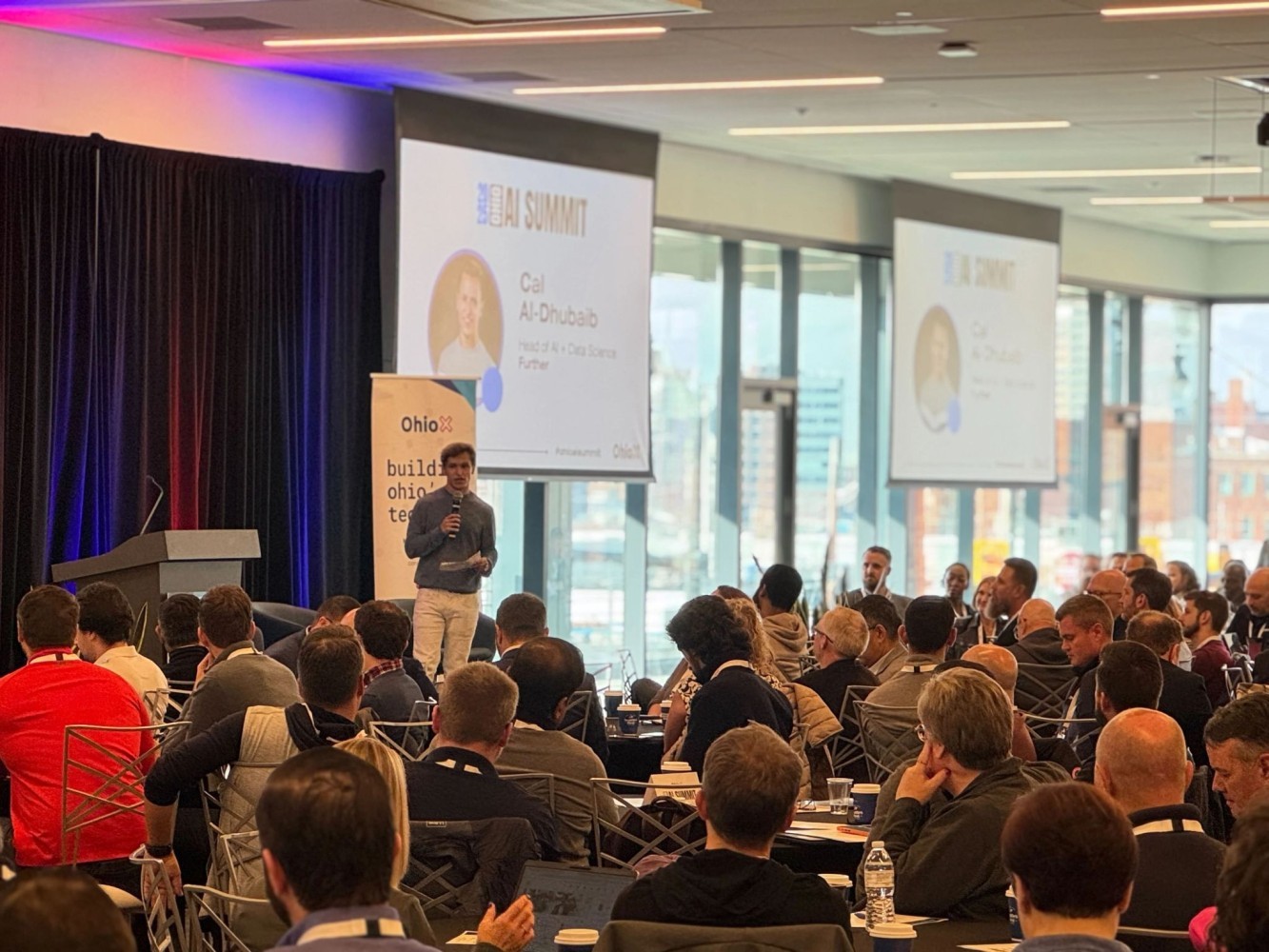
He asked the room: "Raise your hand if you use AI daily to get work done."
Hands went up everywhere.
"Keep them up if you're fully confident in your ability to quality control the outputs."
Half the hands dropped.
"Now keep them up if you're confident in your colleagues' ability to quality control AI outputs."
Nearly empty room.
That gap-between usage and trust-is where the real work happens. As Cal put it: "AI only creates value when humans are equipped to benefit from it."
This isn't about the technology. It's about designing around human decision-making, coordinating what stays machine versus human, and quality controlling relentlessly. Trust isn't something you wish for. It's something you build.
Ohio's Infrastructure Bet is Paying Off
The numbers are staggering.
AWS has invested over $20 billion in Ohio data centers-projected to hit $30 billion by decade's end. Google and Meta are building massive AI clusters. The Stargate project selected Lordstown as one of only five US sites.
Ohio is now the 4th largest data center market nationally with 179 facilities.
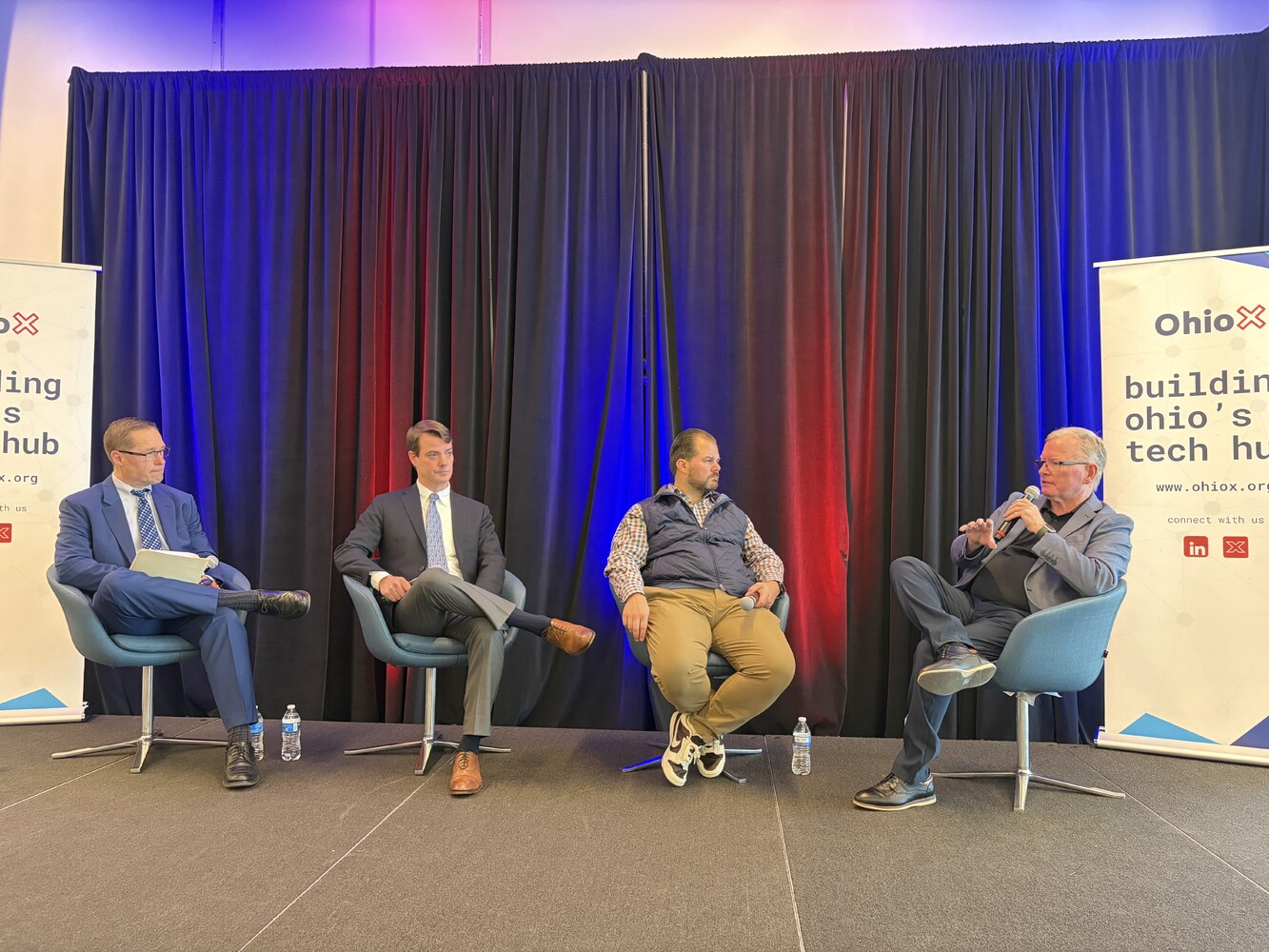
But here's what Doug Kelly from the American Edge Project said that stuck with me: "There's nothing artificial about this race with China. It's about whose values define the digital future. American tech is built on openness, transparency, and freedom. China's is built on censorship, control, and surveillance."
Ohio isn't just attracting investment-it's building the infrastructure for American AI leadership.
Merle Madrid from AWS framed it perfectly: "Data is the new steel."
Just like Youngstown built the tanks and bombs that helped win World War II, Ohio is building the compute infrastructure that will determine who wins the AI race.
Government is Actually Leading
This surprised me.
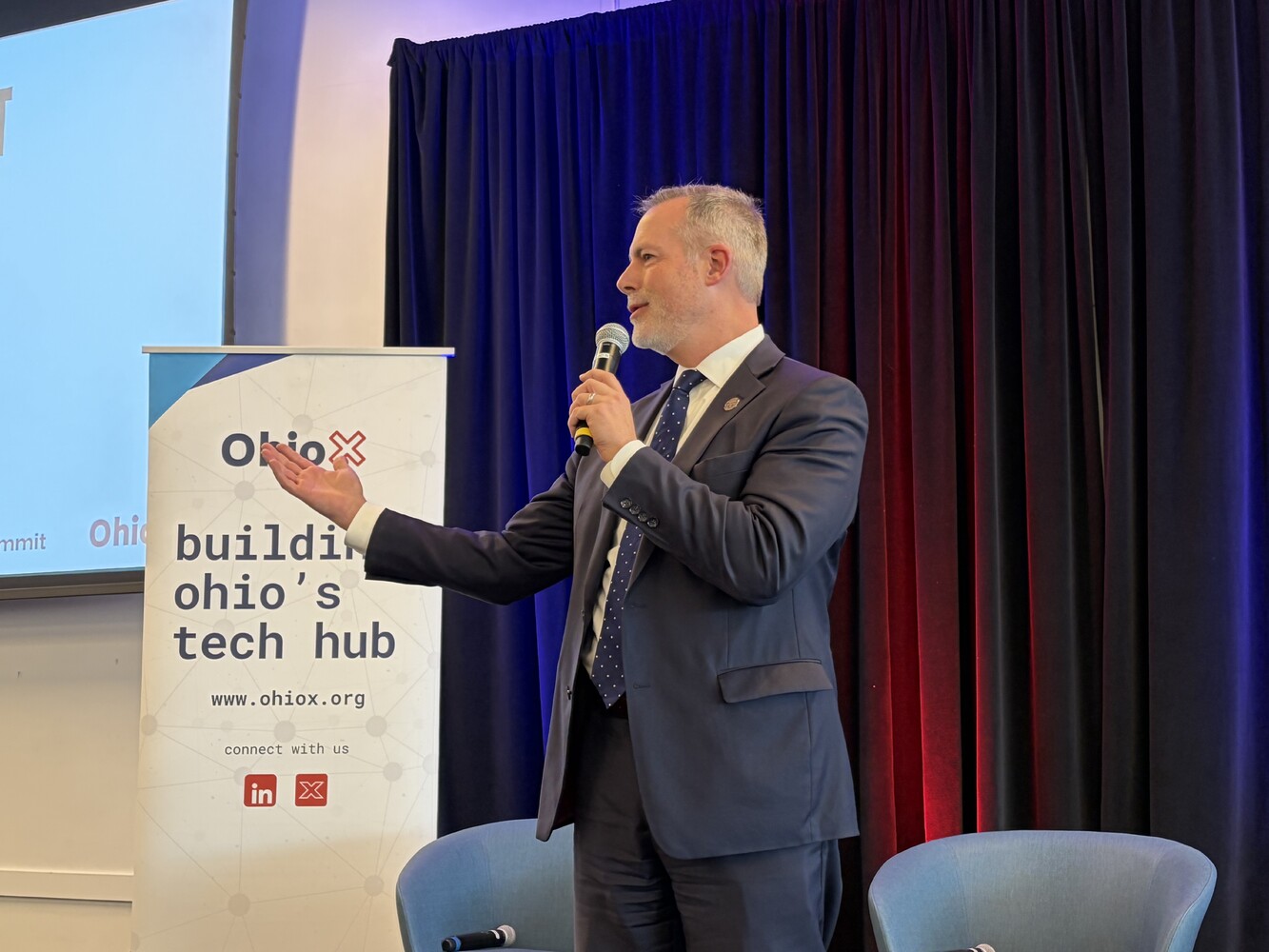
State Treasurer Robert Sprague announced Ohio will become only the second state to directly accept digital asset payments into state wallets. Not through PayPal workarounds-direct acceptance.
His reasoning? "When you change systems, you get different outputs. We could let California and New York figure out digital asset payments and follow their rules. Or we can be part of creating the change."
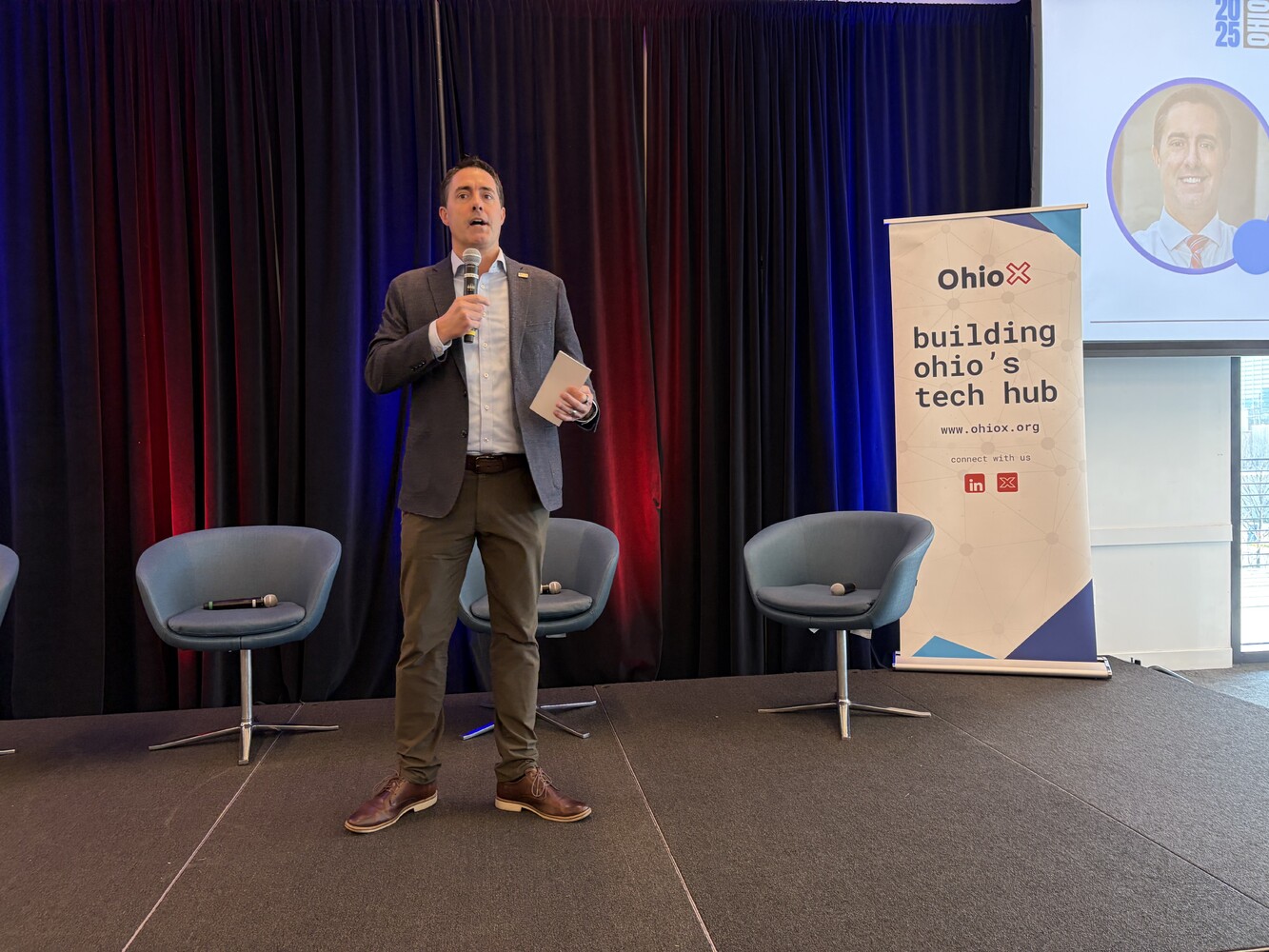
Secretary of State Frank LaRose went further. His team built "Eva"-an elections virtual assistant trained exclusively on Ohio's 550-page election officials manual. County boards can query it 24/7 instead of hitting Ctrl+F through a massive PDF hoping to find the right answer.
But the real innovation was in data. LaRose passed the DATA Act to standardize how all 88 county boards of elections collect and archive data. "If publicly traded companies didn't record financials using generally accepted accounting principles, you couldn't make sense of anything. Too often in government, we don't apply the same rigor."
He became the first Secretary of State in the country to hire data analytics professionals. Now they're using dashboards to catch problems in real-time-like discovering a mail vendor had a loading dock backed up with undelivered ballots.
Manufacturing's Moment
Nima Gard from Path Robotics laid out the manufacturing crisis.
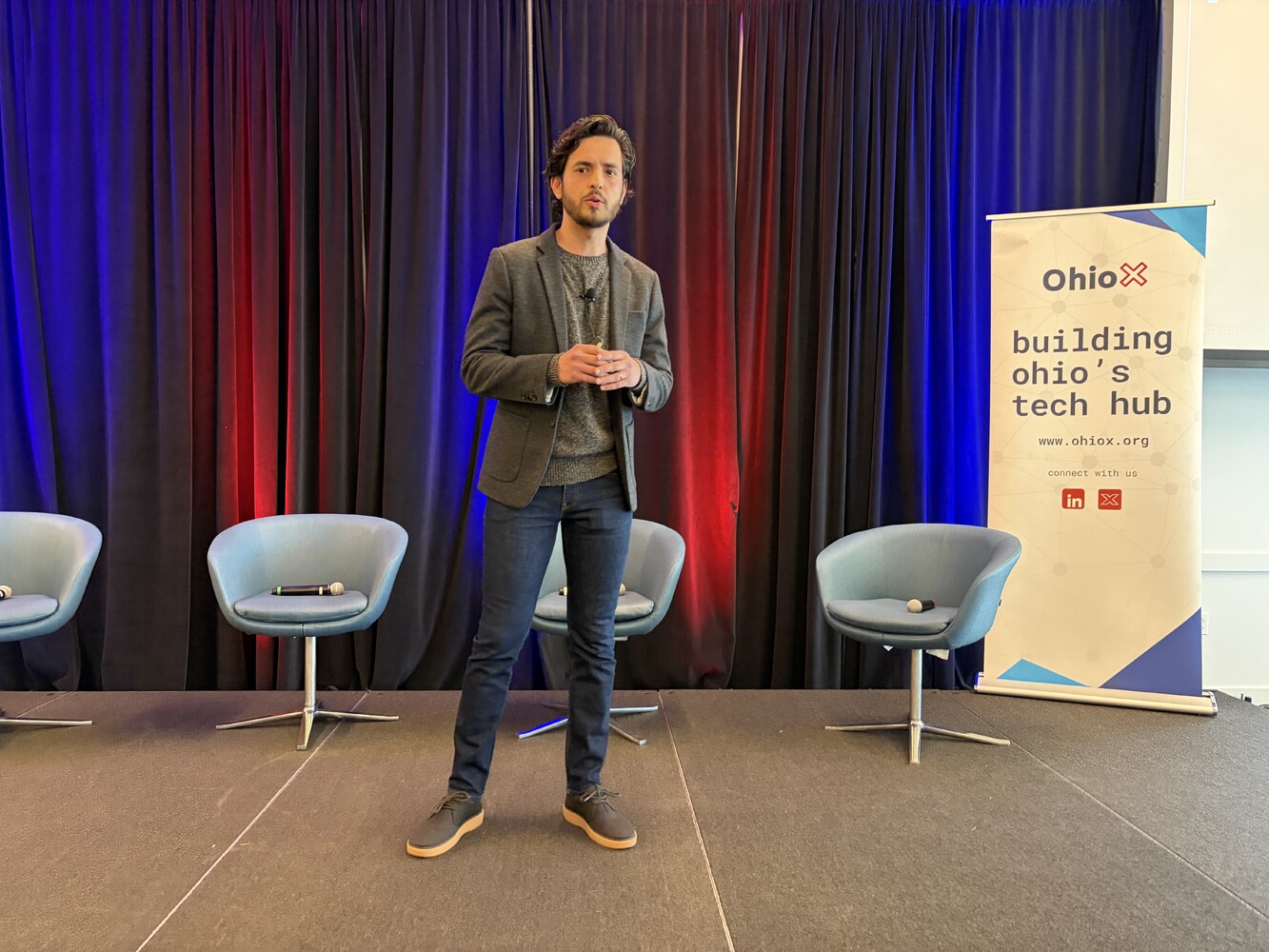
Over 40% of welders are approaching retirement. Training takes 3-5 years. Then 30% leave for different jobs. Meanwhile, demand for skilled labor keeps rising.
The result? 80% of welding is still done manually-even though the first automated welding machine was invented in 1920.
Traditional automation failed because it can't adapt. You have to hand-program every motion for every part. Change the part, throw away all your programming.
Path built something different. An AI foundational model trained on tens of millions of welded edges. A sensor system that sees before, during, and after welding through smoke and bright light. A job builder where you just click where you want to weld-no robot programming required.
The outcome? They're welding utility poles where every single weld is tested for structural integrity. Customers have $65 million in orders sitting there because they can't find welders.
The kicker: 100% of Path's engineering team is in Columbus. They built a foundational AI model here. The resources exist. The talent exists. We just have to execute.
From Pilot Purgatory to Production
Brian Lichtle from Rackspace dropped the most concrete numbers of the day.
Using AWS's Kiro agentic assistant, his team resolved 52 weeks of estimated tech debt in 3 weeks across 8 projects.
AWS's response? "That's not true."
He sent documented evidence. They said, "Go on."
Now 700+ users are seeing an average 81.7% efficiency gain across software development, modernizations, and data efforts.
But here's the lesson that matters: They didn't achieve this by having IT build everything. They shifted left.
They created a platform where business users can ideate and incubate solutions themselves. A process engineering team built prompts that turn natural language conversations into process maps, standard operating procedures, improvement recommendations, and prototype agent specifications-in 3-5 minutes.
Not days. Not weeks. Minutes.
The other unlock? They made AI fluency mandatory. 99.7% of 5,200 employees across 26 countries completed AI training. They put up dashboards showing which departments had reached fluency. Made it a visible competition.
When's the last time HR voluntarily took a technology course? At Rackspace, they did-and it made the difference.
What's Actually Working
The ROI panel cut through the hype.
According to MIT, 95% of AI pilots fail to produce ROI in their first six months. Yet Dario Amodei from Anthropic says 50% of white collar jobs will be automated by AI in the next five years.
How do you square those two things?
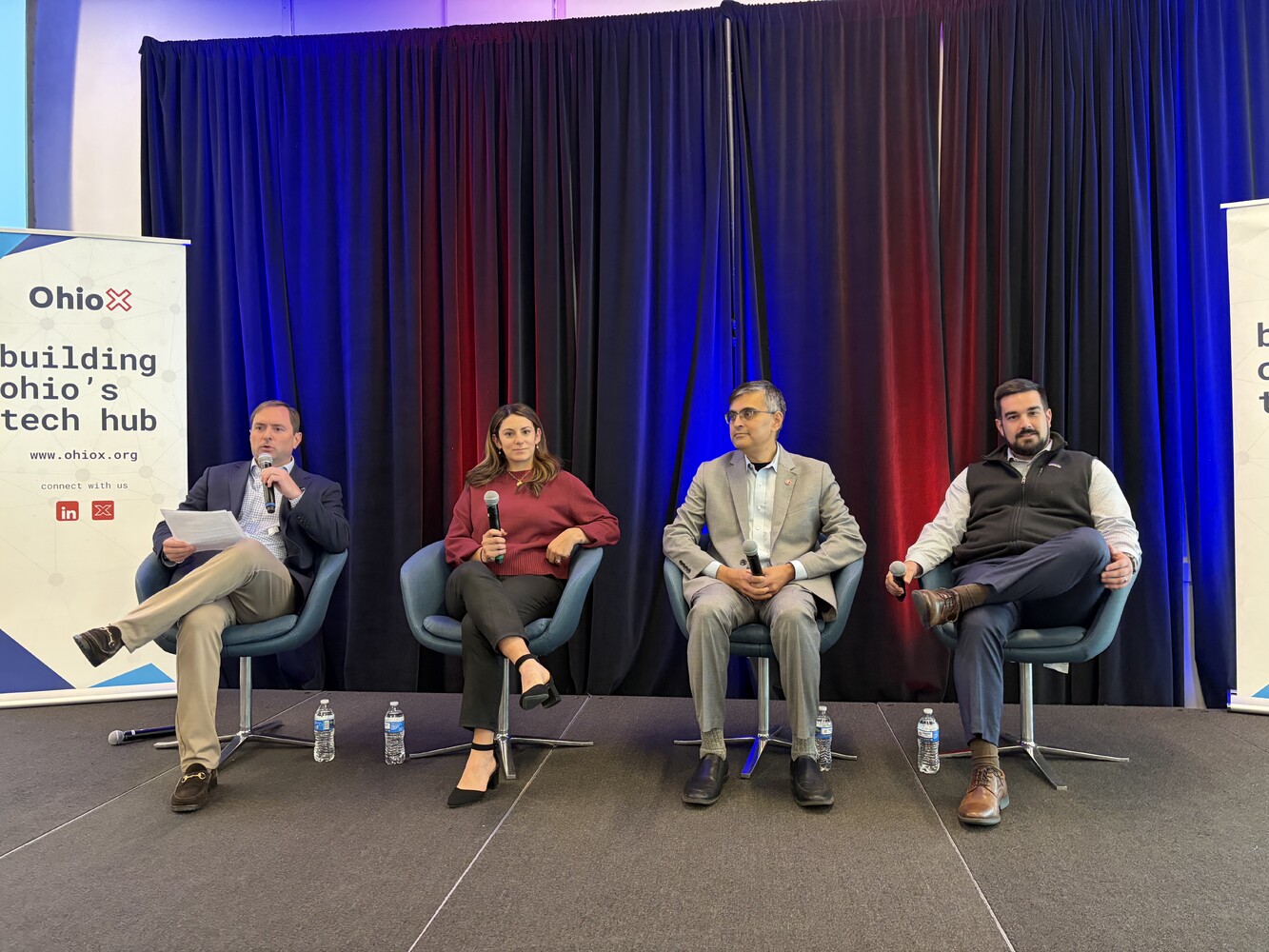
Gaby Martin from CGI nailed it: "No one wants to do AI just for the fun of it. If you don't have measurable outcomes and a way to track them, you're just throwing money out the window."
Stop measuring accuracy. Start measuring outcomes.
"I want a 90% accurate model" is meaningless. "I want to decrease customer churn by 30%" is something you can actually prove-or disprove.
The build vs. buy decision framework is equally clear: Is this a differentiator for your organization? A call center? Probably buy it. A proprietary LLM on your unique data that you might resell? Build it.
What This Means
Ohio's AI story isn't about hype. It's about infrastructure that's already built, government that's actually innovating, manufacturers solving real labor shortages, and enterprises moving from pilots to production with measurable results.
The conversation has shifted from "what is AI?" to "where's the ROI?"
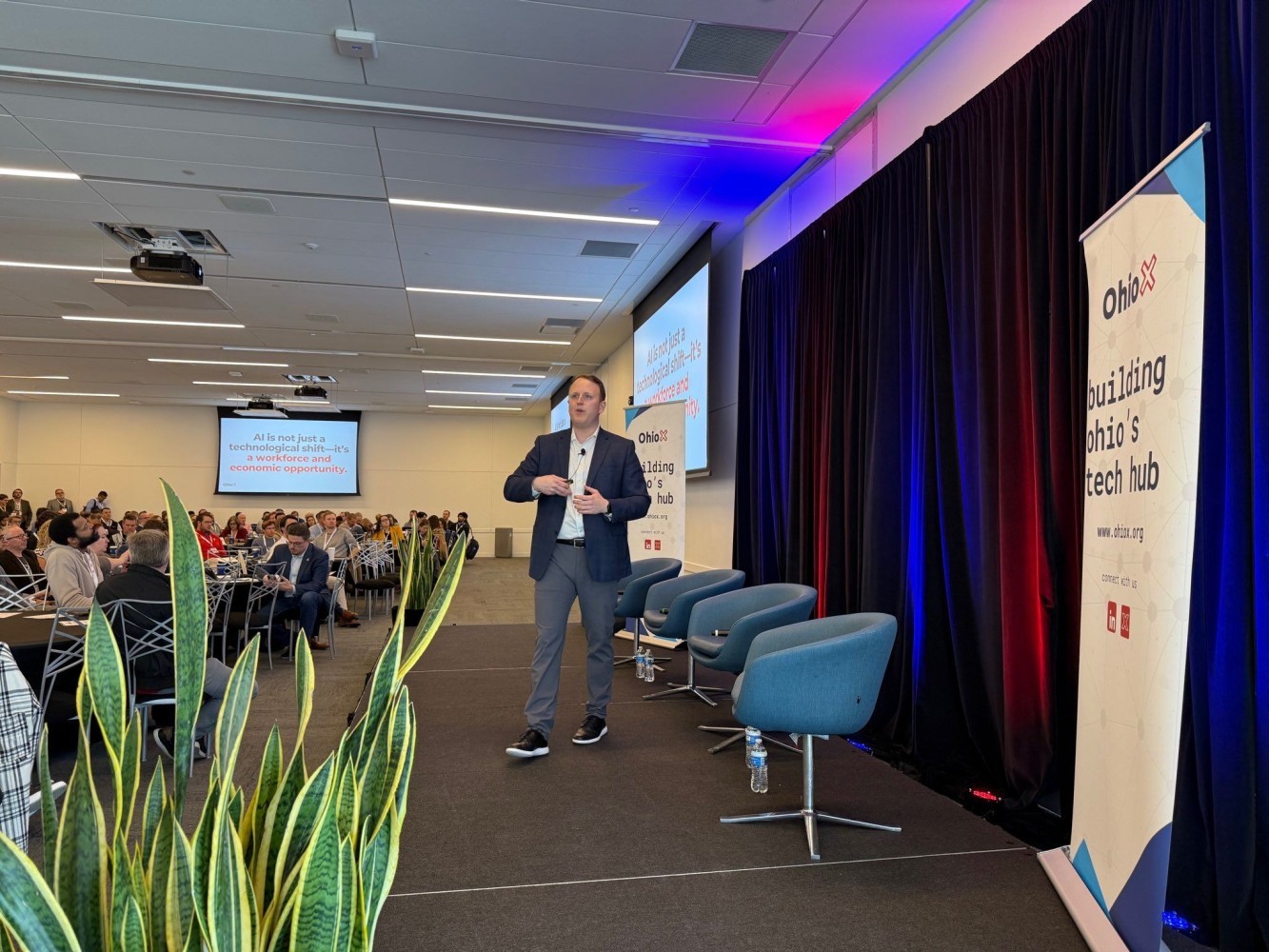
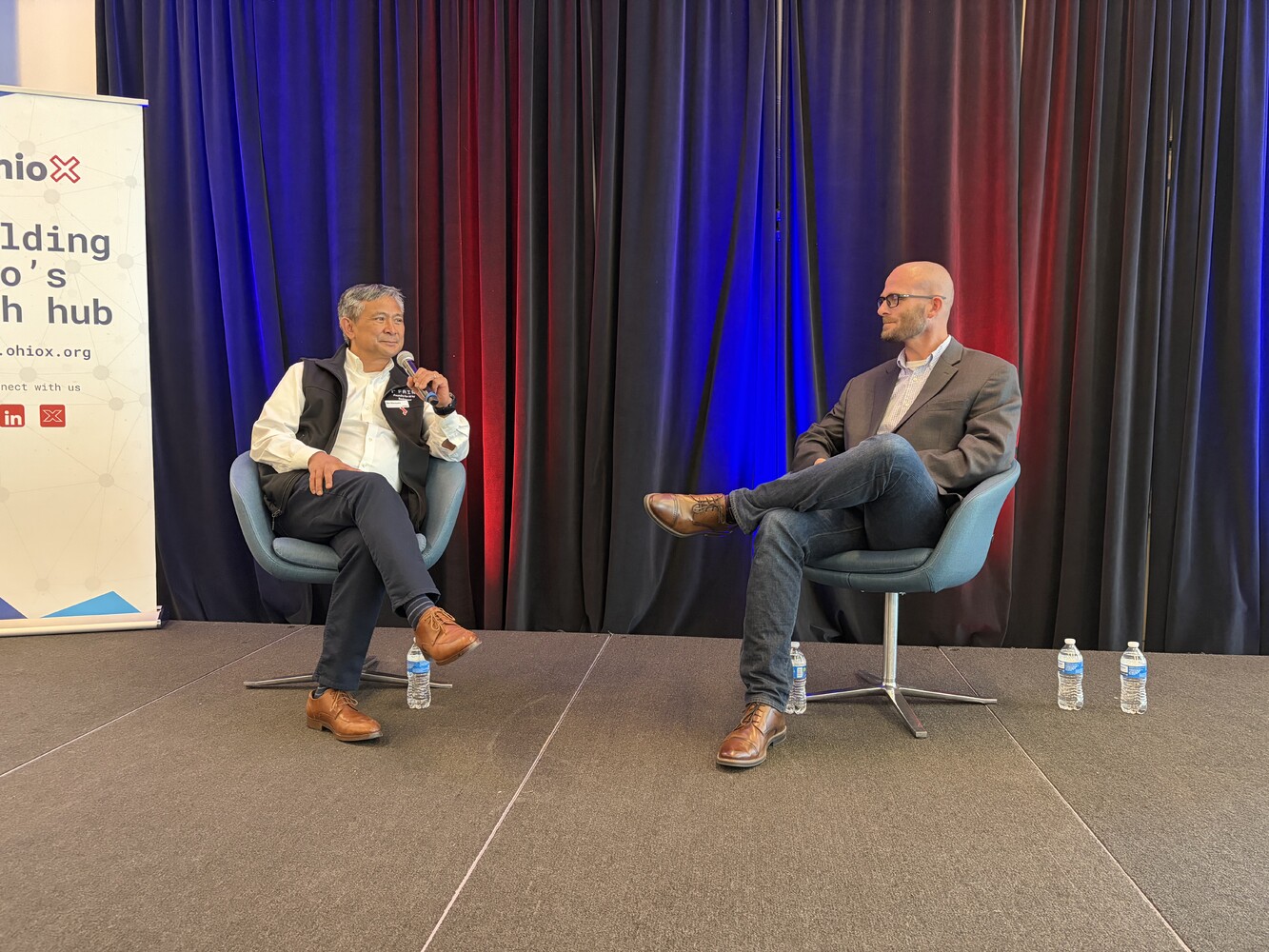
Chris Berry from OhioX summarized the four emerging themes from their statewide research:
Education, workforce, and talent - 70% of organizations say upskilling is their primary barrier strategy
AI infrastructure as economic engine - $40B+ in data center investment, 95,000 jobs supported
Business AI adoption - The shift from pilots to enterprise-wide scaling
Embedded AI distribution - VCs buying traditional businesses to optimize with AI
The opportunity isn't theoretical. It's being built right now.
And Ohio is leading.
What AI initiatives are you seeing move from pilot to production? I'd love to hear what's actually working in your organization.


