Fashion content moves through creative decisions, production work and many handoffs. AI raises a useful question about which of those steps need to change and which human contributions the process should protect.
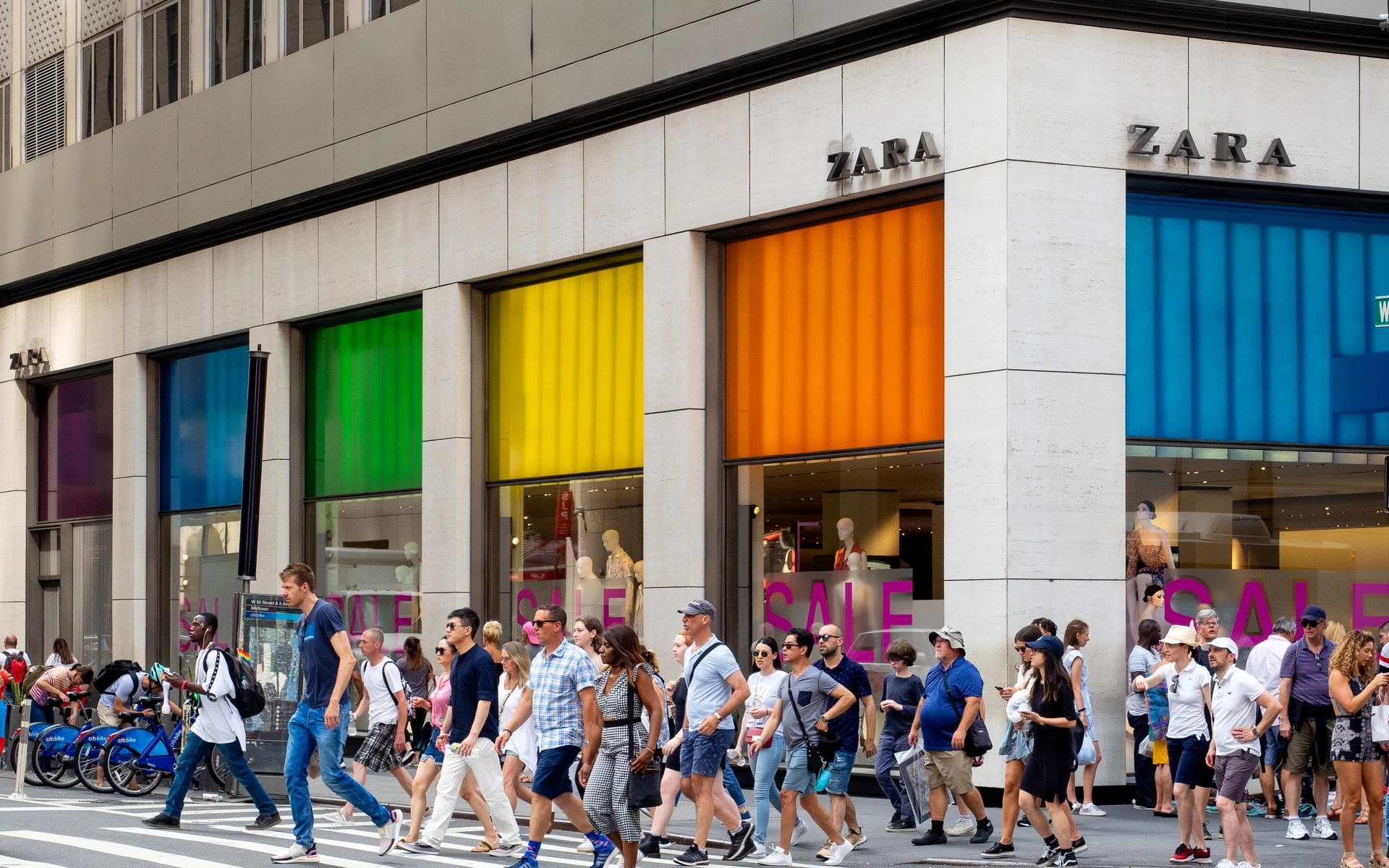
Reuters reported in December 2025 that Zara was using AI to create new fashion images from photographs of real models. Inditex said the work involved agreement with the models and compensation in line with industry practice.
The application changes part of image production. The opportunity I see is to examine the coordination around creative work and decide where a different process could help.
The Old Cycle Kept Evidence at a Distance
A long production cycle can put customer evidence at a distance. When a team commits to a direction before it can see how people respond, changing course becomes harder.
So the team committed early. Budget went out the door before anyone saw how customers responded to a visual direction. Judgment happened at the front, when the team knew the least. Evidence showed up at the back, when acting on it cost too much to bother.
That’s the problem worth naming clearly. Speed is the visible symptom. The deeper issue is a cycle that puts creative bets first and useful information last.
What Zara Actually Built
The reported approach starts from images of real models and uses AI to show different clothing. The agreement with the people whose images are used is part of the work, alongside the tools and creative choices.
For a brand evaluating this approach, creative direction, representation and the accuracy of the clothing all need attention. The question is how to make production more useful without weakening those responsibilities.
This part deserves precision, because the AI-in-creative conversation tends to flatten into two options. Either the machine takes the creative work, or it shaves a little time off the edges. Zara’s setup fits neither box. It’s a decision about where human judgment lives inside a production cycle and what the machine handles around it.
The Cycle Becomes a Learning Cycle
If a team can shorten production while maintaining quality, it may be able to test a direction earlier and use the result in the next creative decision.
That’s the turn. Production stops working as a delivery pipe and starts working as a feedback loop. How early campaigns perform feeds the next creative call. Directions that land get extended right away. Directions that don’t get cut before they burn more budget.
That is a possibility to measure. A faster production cycle is useful when the team can learn which creative decisions improve the work.
Where Most Brands Miss
Plenty of teams watch Zara and ask how to plug AI into production. That’s the wrong opening question. The tools are easy to reach. Generative systems for visual work are widely available and getting better by the month.
Production processes collect handoffs and approvals over time. Look at which ones contribute useful judgment and which mainly pass information from one team to another.
Adding AI to a process without examining those handoffs can leave the same decision problems in place.
The question worth sitting with isn’t where AI can speed things up. It’s where human judgment changes the outcome, and whether the current process protects that judgment or buries it under coordination.
What to do this week.
Find a recurring production cycle in your organization that runs longer than a week. Skip the biggest one for now. Pick something visible, owned by a small team.
Map the moments where fresh judgment enters the work: a real decision, a creative call, or a stakeholder read that changes direction. Pull those apart from the coordination, formatting, and approvals that only confirm what is already settled.
Rebuild one coordination-heavy stretch around the judgment it needs. Measure how quickly useful evidence reaches the next decision, alongside quality and cost.
From the portfolio
Board of Innovation helps commercial teams redesign the work around the moments where human judgment changes the outcome. Zara's cycle is a useful example: automate the production steps, keep taste and accountability with people, and use the shorter loop to learn faster in market.