What the vet visit looks like at 11pm
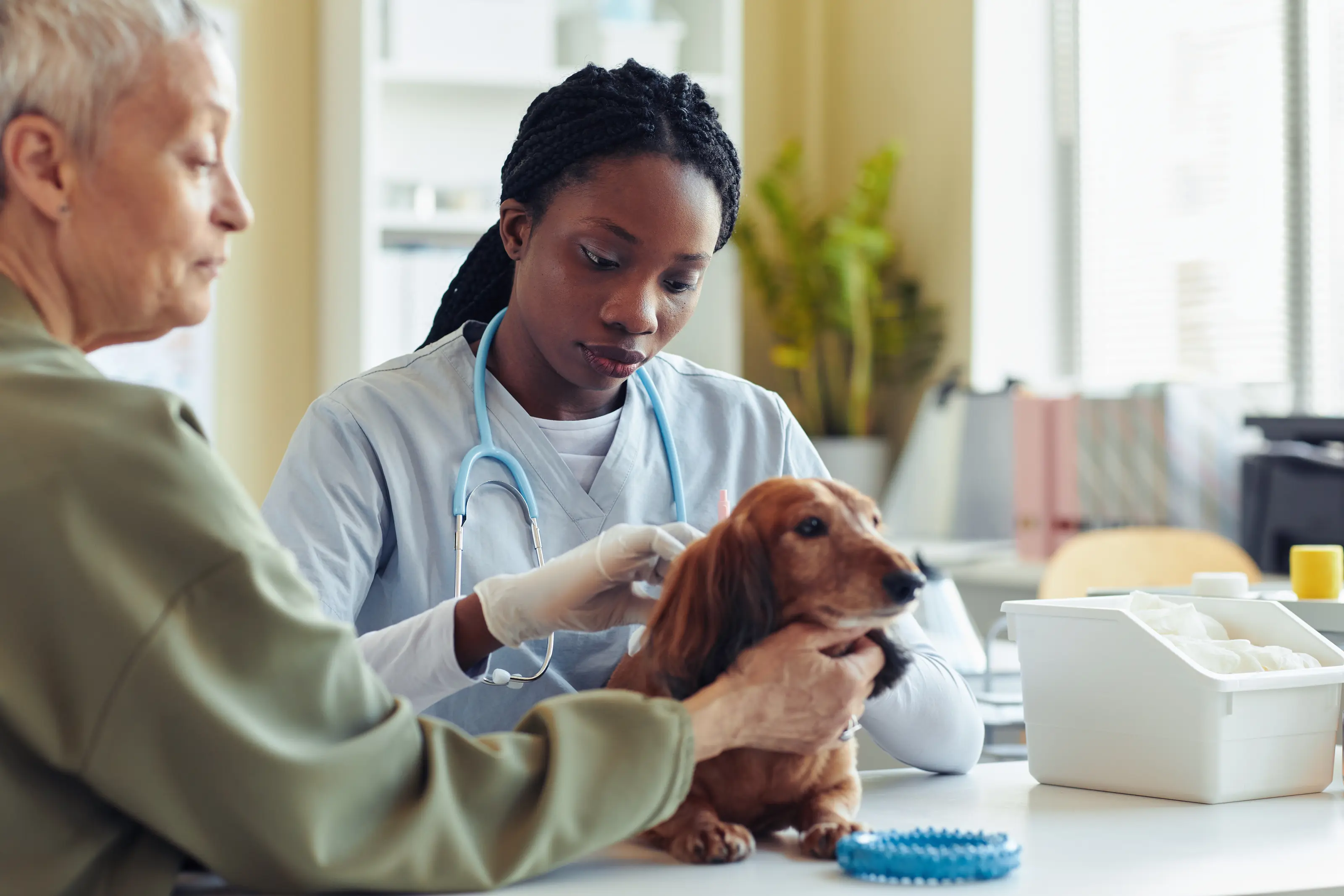
Your dog just came out of surgery. The front desk prints an invoice. You hadn't planned for this number. Pet insurance is supposed to help, and in most cases the process asks you to pay the full bill, file a claim later, and wait.
Trupanion decided in 2014 to remove that wait.
The choice they made
They filed a patent for software that connects to a clinic's own practice-management system, reads the invoice as it's generated, and pays the hospital before you leave the counter. VetDirect Pay.
Getting there took years. Reimbursement workflows were cheaper to run at scale. Building a direct-pay network meant signing up veterinary hospitals one by one. Competitors kept mailing checks. Trupanion kept integrating. By 2026, over 11,000 hospitals were on the portal. Of those direct payments, 85% now clear in seconds.
What happened in August
On August 4, Trupanion connected VetDirect Pay into Digitail, a platform running scheduling, records, billing, and communication for thousands of clinics. A staff member can now submit a claim without switching tabs.
The Q2 earnings call came the following day. Automation now handles 62% of claims, up from 56% twelve months earlier. Software reads the invoice, checks it against the policy, and pays, with no human touching most claims. Subscription revenue grew 14%. Operating costs dropped as a share of revenue. The stock finished the week up 10%.
TRUPANION · 2014–2026
Sources: Trupanion Q2 2026 earnings call · company disclosures · USPTO
Why the timing matters
Processing a claim in seconds requires structured invoice data arriving from inside the clinic at the moment it's created. Trupanion has been receiving exactly that since 2014, invoice by invoice. The infrastructure was already there when the AI tools arrived.
The people who used to process those claims now handle the cases that need a human. Retention gets built in that space. And AI didn't create this position. It accelerated a structural shift that had been running for over a decade.
Twelve years of groundwork made one year of AI look easy.
Where to put your attention this week.
Trupanion changed how the industry model works. Not a process improvement. The actual operating architecture of the category. And they were already more than a decade into that work before the current wave of AI tools arrived, which means the AI came in as an accelerant to something structurally mature.
The question is whether a move like that is sitting unclaimed in your industry. Something that rewrites the rules, not for your company alone, but for how the whole category operates. A competitor could be looking at it. The window may be shorter than the Trupanion timeline suggests, because AI is compressing what used to take a decade.
What's the pain point in your industry that everyone has just learned to live with? The one that shows up every day, that no one questions anymore, that your customers absorb without complaint because they don't know it could be different. The one where, if someone actually solved it, the customer experience on the other side would look nothing like what exists today?
From the portfolio
Finding that structural opportunity, and helping leadership act on it before someone else does, is what Board of Innovation does with enterprises. If you want a read on where your model is most exposed, their AI Disruption Exposure Index is worth your time. Reply and I'll send it to you directly.
AUTONOMOUS is two weeks out. September 9 to 10, virtual, 12,000 leaders working on these questions, hosted by BOI. I'll be there both days. Register at autonomoussummit.ai.
The Trupanion story goes back to a dog, a surgery bill, and a front desk counter. Your version is probably hiding in plain sight too. Have the courage to challenge it.